
Understanding odds A comprehensive guide to winning strategies in gambling
The Fundamentals of Gambling Odds
Understanding odds is crucial for anyone looking to engage in gambling, whether in a casino, online, or in sports betting. Odds represent the likelihood of a specific outcome occurring and are typically presented in various formats such as fractional, decimal, or moneyline. Knowing how to read and interpret these odds can significantly impact your betting decisions and overall strategy. Many players also enjoy exploring slots apps for a diverse gaming experience.
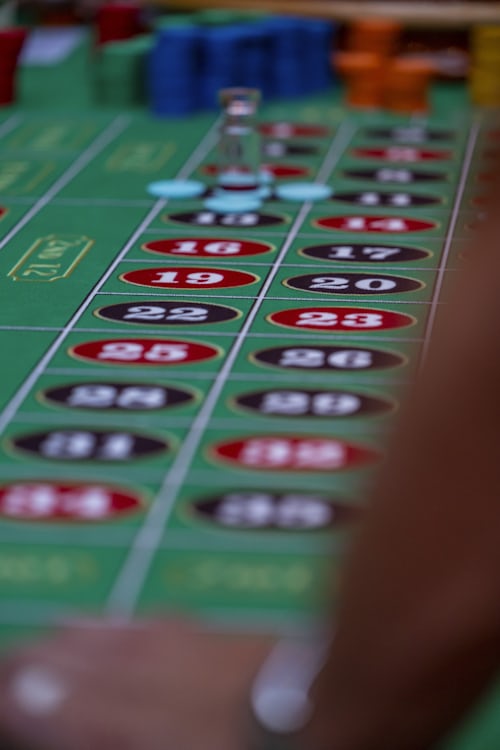
In gambling, the odds are not merely numbers; they encapsulate the probability of an event’s occurrence versus the payout. For example, if the odds are set at 2/1, it indicates that for every one unit wagered, two units will be returned if the bet wins. Gaining a firm grasp of these concepts allows players to assess risk and make informed bets based on their understanding of the game.
Different Types of Gambling Strategies
There are numerous strategies that players can employ to enhance their chances of winning in gambling. One popular approach is the Martingale system, which involves doubling your bet after each loss to recover previous losses and gain profit. However, this strategy requires a substantial bankroll and can lead to significant losses if a losing streak occurs.
Another strategy is the Paroli system, which focuses on capitalizing on winning streaks by increasing bets after wins rather than losses. This method aims to maximize profit while minimizing risk. Each strategy has its strengths and weaknesses, and players must determine which method aligns best with their risk tolerance and financial situation.
The Role of House Edge in Gambling
The house edge is a critical concept in understanding gambling odds. It represents the statistical advantage that casinos and bookmakers have over players. This built-in advantage ensures that the house will always have a profit margin, regardless of the outcome of individual bets. For example, in games like blackjack or roulette, the house edge varies depending on the rules and gameplay strategies employed.
Players must be aware of the house edge to make informed decisions about which games to play and how to manage their bankroll effectively. By choosing games with lower house edges, players can increase their chances of winning in the long run. It is essential to combine knowledge of house edge with effective betting strategies to enhance overall gambling success.
Psychological Factors in Gambling
Gambling is not just a numbers game; psychological factors play a significant role in a player’s success. Understanding cognitive biases, such as the illusion of control and gambler’s fallacy, can help players make more rational decisions. The illusion of control refers to the belief that one can influence outcomes in games of chance, while the gambler’s fallacy is the misconception that past outcomes affect future results.
By recognizing these psychological traps, players can develop a more disciplined approach to gambling. Maintaining emotional control and sticking to a pre-defined strategy is crucial for long-term success. Developing a keen awareness of one’s psychological state can also help in making informed decisions and managing one’s bankroll more effectively.
Finding Resources and Support for Gambling
In the realm of gambling, having the right resources is vital for both novice and experienced players. Various platforms exist to provide insights and strategies related to gambling, including forums, websites, and communities dedicated to sharing knowledge and experiences. These resources can help players refine their strategies, learn about new games, and stay informed about industry trends.
Additionally, it is crucial to seek support when gambling becomes problematic. Numerous organizations offer assistance for those struggling with gambling addiction, providing resources and strategies for recovery. Understanding the risks involved in gambling and being aware of one’s habits can lead to a healthier approach to gaming.